
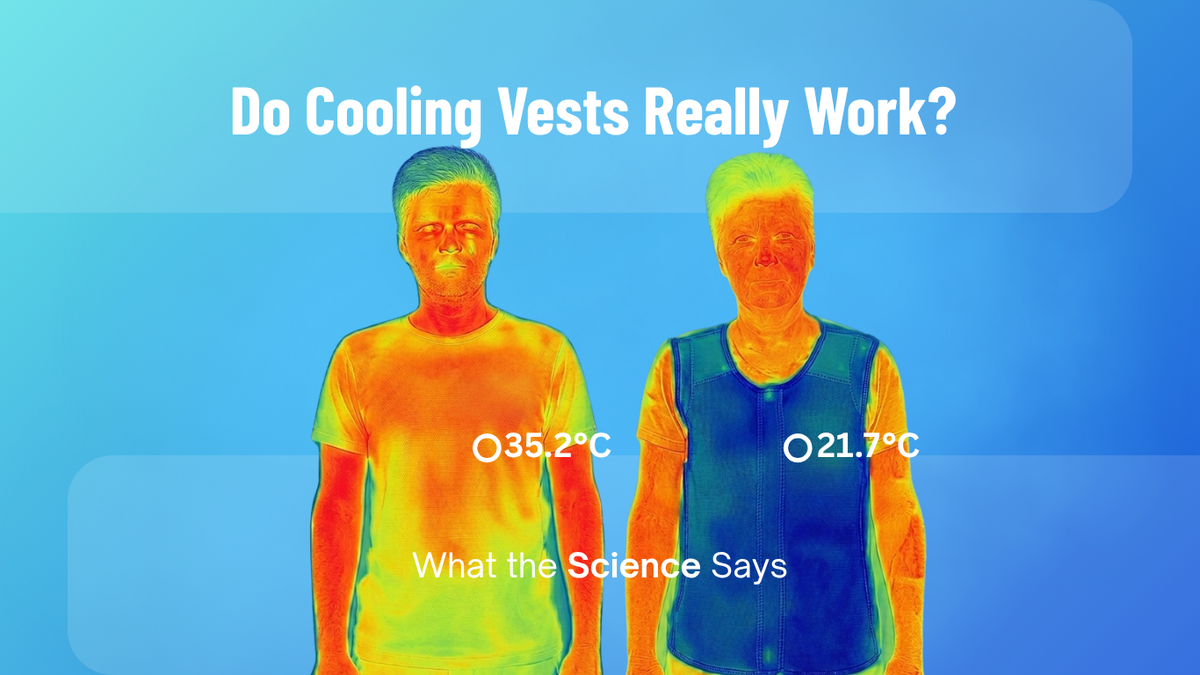

Do Cooling Vests Really Work? What the Science Says
Yes. Scientific research shows that personal cooling garments can reduce physiological heat strain and improve thermal comfort. However, their effectiveness depends on the cooling technology, environmental conditions, workload, clothing, and duration of use.
Cooling vests are everywhere: on construction sites, at outdoor events, in warehouses, on motorcycles, during training, and in other environments where heat is part of the job.
But there is an obvious question behind all the technology:
Do cooling vests actually work?
The short answer is: yes — but it depends on the type of cooling vest, the environment, and how it is used.
Scientific research increasingly supports personal cooling garments as a useful tool for reducing heat strain and improving thermal comfort. However, cooling vests are not magic, and one cooling technology does not perform the same way in every environment.
So let's look at what the science actually says.
What Does a Cooling Vest Actually Do?
Before asking whether a cooling vest works, it helps to understand what it is designed to do.
Your body constantly produces heat. During physical activity, it produces even more. At the same time, the surrounding environment can make it harder for your body to release that heat.
A cooling vest is designed to help increase heat loss or reduce heat gain by placing a cooling mechanism close to the body.
Depending on the technology, that can happen through:
-
Evaporation — water absorbs heat as it evaporates.
-
Conduction — heat moves from the body toward a cooler material.
-
Convection — moving air helps transfer heat away.
-
Phase change materials (PCM) — materials absorb heat as they change phase.
-
Hybrid cooling — combines more than one cooling mechanism.
This distinction matters because "cooling vest" is not one specific technology.
An evaporative cooling vest and a PCM cooling vest may look similar, but they work differently and perform differently under different environmental conditions.
So, Do Cooling Vests Really Work?
The scientific evidence says that personal cooling garments can reduce physiological heat strain.
A 2026 systematic review and meta-analysis examined 69 studies of wearable cooling interventions during heat exposure. The researchers found that wearable cooling significantly reduced rectal temperature, gastrointestinal temperature, skin temperature, and heart rate. The review also found improvements in thermal comfort, with water/ice and phase-change-material systems showing particularly consistent benefits.
That is important because it moves the conversation beyond:
"This vest feels cold."
The question is whether cooling can actually change measurable responses to heat.
And in many studies, it can.
However, there is an important qualification.
The researchers rated the overall certainty of evidence as low to very low, largely because the studies varied considerably in design, cooling technology, environmental conditions, and participants.
In other words:
Cooling vests can work. But how well they work depends on the conditions.
What Does the Research Say About Cooling Vests and Heat Stress?
One of the most useful studies to look at is a systematic review and meta-analysis specifically examining personal cooling garments for physically demanding work.
Researchers analyzed 33 studies involving 764 participants performing moderate-to-heavy work in hot environments.
Overall, personal cooling garments were associated with reductions in:
-
Core temperature
-
Skin temperature
-
Heart rate
-
Sweat rate
The analysis found an average reduction of approximately 0.2°C in core temperature and 10 beats per minute in heart rate across the personal cooling garments studied.
But the results were not identical across technologies.
Conductive and hybrid cooling garments showed the most consistent physiological benefits in that particular analysis, while evaporative garments showed smaller effects on the physiological measures examined.
This is an important distinction.
It does not mean that evaporative cooling does not work.
It means that the effectiveness of a cooling system depends heavily on how the cooling mechanism interacts with the environment.
Why Does the Environment Matter So Much?
This is one of the biggest misconceptions about cooling vests.
You cannot evaluate a cooling garment without considering the environment in which it is being used.
Think about evaporative cooling.
When water evaporates, it takes heat with it.
That is why sweat helps cool your body.
But evaporation depends on environmental conditions.
Temperature
The hotter the environment, the greater the potential for heat transfer through evaporation — assuming the other conditions allow evaporation to occur.
Humidity
High humidity can slow evaporation because the surrounding air already contains a lot of moisture.
That can reduce the effectiveness of evaporative cooling.
Air movement
Airflow can help remove humid air from around the garment and replace it with drier air.
This is one reason the same evaporative cooling garment can feel different when you are:
-
standing still,
-
walking,
-
working outdoors,
-
riding a motorcycle,
-
or working in a ventilated environment.
Physical activity
Your body generates more heat when you work harder.
That means personal cooling can become particularly relevant during physically demanding tasks — but it also means the garment is operating within a much more complex heat-balance system.
Research on personal cooling garments has found that factors such as WBGT, clothing insulation, metabolic rate, and duration of wear can influence their effectiveness.
So when someone asks:
"Does a cooling vest work?"
the more scientifically useful question is:
"Which cooling technology works best for this person, in this environment, during this activity?"
Evaporative Cooling: How Does It Work?
Evaporative cooling is one of the simplest forms of personal cooling.
The principle is the same one your body already uses.
When water evaporates from your skin, it absorbs heat from the surrounding surface.
An evaporative cooling garment uses specially designed materials to hold water and facilitate evaporation over time.
This means:
Water → evaporation → heat transfer → cooling
There is no compressor, battery, or ice pack required.
At 98 Fahren, this is the principle behind our Evaporative CoolVest Neo.
The vest is activated by soaking it in water, removing excess water, and wearing it. As moisture evaporates, heat is drawn away from the body. The cooling layer is designed to keep the side facing the skin dry while the outer shell manages moisture within the system.
The result is a reusable personal cooling layer that can be reactivated with water rather than requiring refrigeration or batteries.
What About PCM and Ice Cooling Vests?
Not all cooling vests use water evaporation.
Some use phase change materials (PCM) or ice/cold packs.
These systems work through conduction: the cooling material absorbs heat from the body.
Research suggests that conductive and hybrid cooling garments can produce strong physiological benefits in hot working environments.
The advantage is that they can provide a strong cooling effect without relying on evaporation.
The trade-off is that they may require:
-
Freezing or pre-cooling
-
Access to refrigeration
-
Replacement or recharging of cooling packs
-
Additional weight
That can make one technology more practical than another depending on the job.
For an outdoor worker who has easy access to water but no freezer, an evaporative cooling vest may make more practical sense.
For a worker in a very hot environment with access to refrigeration, PCM cooling may be another option.
The best cooling vest is the one that matches the working environment.
Does a Cooling Vest Lower Core Body Temperature?
This is where things get more interesting.
A cooling vest can lower skin temperature relatively easily because the cooling mechanism is close to the skin.
But lowering core body temperature is more difficult.
Your body is constantly regulating its internal temperature through:
-
Sweating
-
Increased blood flow to the skin
-
Respiration
-
Changes in metabolic activity
-
Behavioral responses
A cooling garment becomes one additional factor in this heat-balance equation.
Research shows that personal cooling garments can reduce indicators of physiological heat strain, including core temperature and heart rate, but the magnitude of the effect varies by cooling method and environmental conditions.
This is why responsible cooling apparel should never be marketed as a replacement for basic heat-safety measures.
A cooling vest is one layer of protection, not the entire heat-stress management system.
Does a Cooling Vest Make You Feel Cooler?
Yes — and this matters too.
Heat is not only a physiological problem. It is also a perceptual one.
When you are working in extreme heat, thermal discomfort can become distracting and exhausting.
Research on personal cooling garments has found improvements in thermal comfort and thermal sensation in a number of conditions.
However, there is an important warning:
Feeling cooler does not necessarily mean your body is completely protected from heat stress.
The 2024 systematic review specifically noted that improvements in thermal comfort were not always accompanied by equivalent improvements in physiological strain.
That's why workers should still follow appropriate heat-safety procedures even when using cooling apparel.
How Long Does a Cooling Vest Stay Cool?
There is no universal answer.
Cooling duration depends on:
-
Cooling technology
-
Temperature
-
Humidity
-
Airflow
-
Physical activity
-
Clothing layers
-
Garment construction
-
Amount of cooling material
-
Duration of exposure
For example, an evaporative cooling vest relies on moisture evaporation. If the environment allows moisture to evaporate efficiently, cooling can continue for an extended period.
98 Fahren's Evaporative CoolVest Neo is designed to provide cooling for hours after activation and can be reactivated by soaking it in water again.
But cooling duration should always be understood as condition-dependent, rather than a single number that applies to every person and every environment.
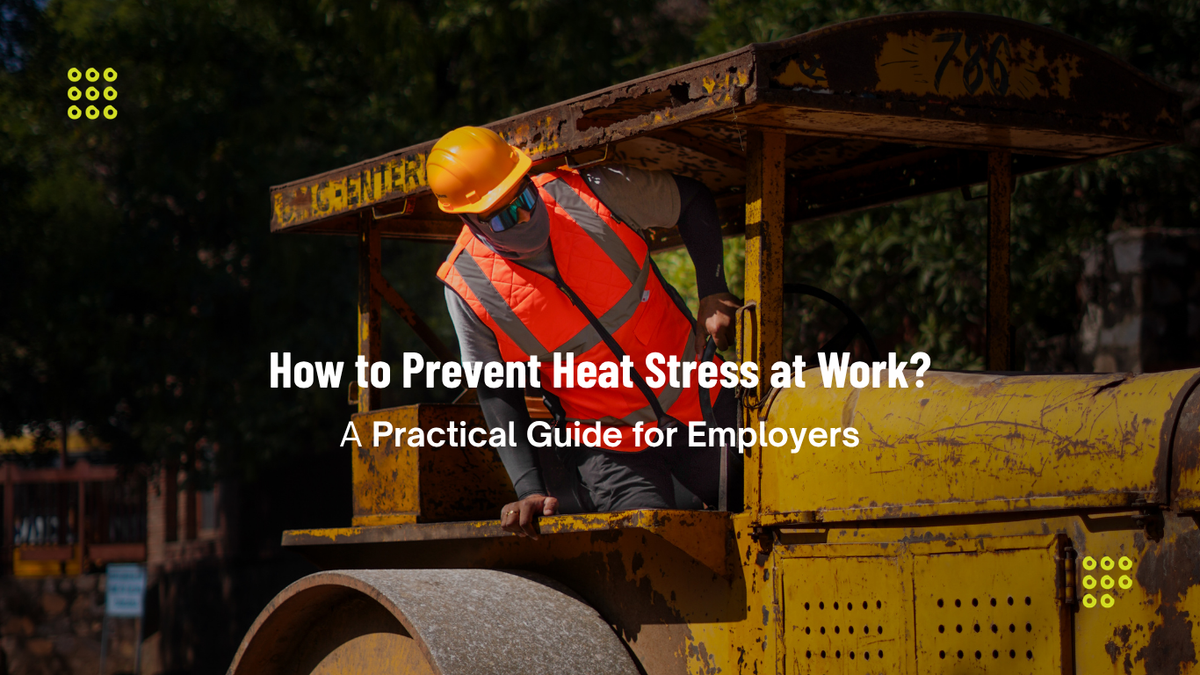
Are Cooling Vests Good for Workers?
This is one of the areas where cooling vests can be particularly useful.
Workers in industries such as:
-
Construction
-
Logistics
-
Warehousing
-
Manufacturing
-
Road work
-
Utilities
-
Agriculture
-
Outdoor maintenance
may spend hours exposed to heat while performing physically demanding tasks.
Personal cooling garments can provide an additional cooling layer when the workplace itself cannot be completely cooled.
This is especially relevant where workers cannot simply move into air conditioning.
However, occupational heat management should still include a combination of controls such as:
Hydration + rest + shade + acclimatization + appropriate work practices + environmental controls + personal cooling
rather than relying on a single intervention. The research specifically cautions against treating personal cooling garments as a stand-alone heat-stress strategy.
What About Cooling Vests Under PPE?
This is another important consideration for workers.
Protective clothing and PPE can increase insulation and reduce the body's ability to lose heat.
That means a cooling garment needs to be evaluated not only by how cold it feels but also by:
-
Fit
-
Weight
-
Mobility
-
Breathability
-
Compatibility with required PPE
-
Coverage
-
Duration of use
The systematic review found that clothing insulation influenced the effectiveness of personal cooling garments.
For employers, the question should therefore be:
Can this cooling solution realistically be integrated into the worker's existing PPE and workwear system?
So, Are Cooling Vests Worth It?
For many people working or exercising in hot conditions, the evidence suggests that personal cooling garments can be useful.
But "worth it" depends on what you need the vest to do.
Before choosing one, ask:
1. Where will it be used?
Outdoor construction? Warehouse? Motorcycle? Running? Manufacturing?
Different environments create different cooling requirements.
2. What cooling technology does it use?
Evaporative, PCM, ice, liquid, air-cooled, or hybrid?
3. What is the climate like?
Hot and dry is not the same as hot and humid.
4. How long do you need cooling?
A 30-minute training session has very different requirements from an eight-hour shift.
5. Can you reactivate it?
Water-activated evaporative systems may be particularly convenient when access to water is easier than access to refrigeration.
6. Can you move naturally while wearing it?
A cooling solution should not create a new problem by restricting mobility or adding unnecessary bulk.
7. Does it work with your existing clothing and PPE?
This can be critical in industrial environments.
Where Does 98 Fahren Fit In?
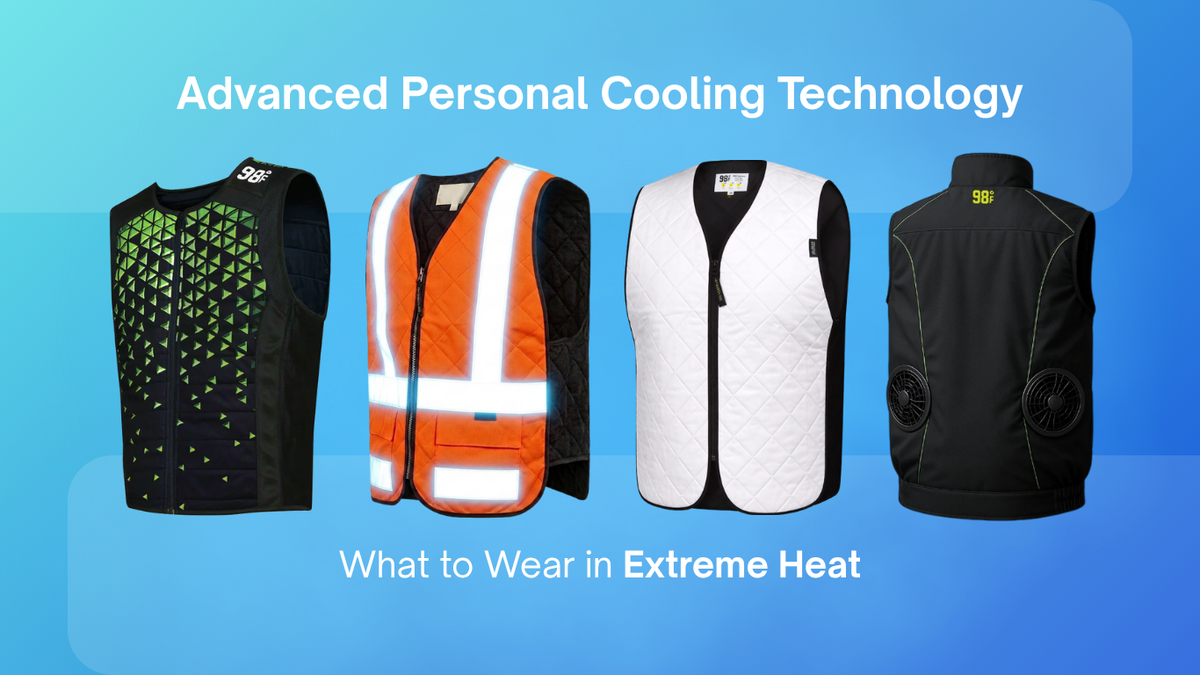
At 98 Fahren, we focus specifically on personal cooling solutions for people who perform in extreme heat.
Our product range includes cooling apparel for industrial teams, outdoor professionals, riders, athletes, and other people who need to manage heat while staying active.
Our Evaporative CoolVest Neo uses water-activated CoolFlow™ technology. It requires no batteries or ice packs: soak it, remove excess water, put it on, and the evaporative cooling process begins.
But our philosophy is simple:
Cooling apparel should support heat management — not pretend to replace it.
The right cooling vest is one part of a larger strategy that includes hydration, rest, appropriate clothing, acclimatization, environmental controls, and sensible work practices.
The Bottom Line: Do Cooling Vests Really Work?
Yes — scientific research supports the use of personal cooling garments to reduce heat strain and improve thermal comfort.
But the science also tells us something equally important:
Not every cooling vest works the same way, and no cooling vest works independently of its environment.
Cooling technology, humidity, temperature, airflow, physical workload, clothing, duration of use, and the type of cooling mechanism all matter.
So instead of asking: Do cooling vests work?
ask: Which cooling technology is appropriate for my environment, activity, and heat exposure?
That's the question that leads to a better cooling solution.
And when the heat isn't going away, bringing the cooling closer to the person can make a real difference.
98 Fahren — cooling apparel for people who perform in extreme heat.

Leave a comment
This site is protected by hCaptcha and the hCaptcha Privacy Policy and Terms of Service apply.